
Arrest Warrants in Minnesota
In Minnesota, an arrest warrant is a judge's written order telling an officer to bring in a named defendant. It grows out of a criminal complaint and its supporting facts. Under Minnesota Rule of Criminal Procedure 3.01, a District Court judge reviews those materials for probable cause. The judge asks whether the facts give reason to believe an offense occurred and this defendant committed it. Probable cause opens the case. It does not end it. Minnesota runs one District Court trial system across its counties. A city officer or prosecutor may file the complaint. Even so, only a District Court judge issues the criminal warrant. Court Administration keeps the file in the county where the case began. The sheriff, city police, or another authorized officer then executes the order. That split matters for a Minnesota arrest warrant check, because the court answers case questions while county law enforcement confirms service and surrender logistics.
Minnesota Arrest Warrant Issuance
Rule 3.01 makes a summons the usual starting point in Minnesota. A judge can issue a warrant instead when the rule's conditions point that way. Those include a real chance the defendant will not respond, a location that cannot reasonably be found, or a need to prevent imminent harm. A prosecutor may still ask for a summons. Fine-only misdemeanors get a summons, not a warrant. The court order controls. The charge name alone never tells you which form was used.
Key point: Minnesota’s probable-cause review authorizes court process. An arrest warrant is not automatic whenever a complaint is filed.
This split matters when you check a Minnesota arrest warrant. A summons means a future court date. A warrant authorizes arrest. The public case record may show later events, but the issuing court can say which order is in force today. If the entry looks unclear, ask Court Administration for the case-specific status instead of guessing from a charge name or a general case label. Rule 3.01 spells out the summons and warrant standard.
What a Minnesota Arrest Warrant Contains
Minnesota Rule 3.02 lists what a warrant must contain. The judge signs it. It states the defendant's name or an identifying description, the charged offense, and the bail amount, along with any release conditions the judge sets. Those elements tie the order to the case. One caution: a public remote case view may not reproduce the whole warrant document, so a blank field online does not mean the court record lacks it.
| Court file number | Minnesota case numbers generally combine a county code, case type, two-digit year, and sequence, such as CC-CR-YY-sequence. This is a format-only case example, not a unique warrant number. |
|---|---|
| Name or description | The judge’s order identifies the defendant by name or another identifying description. Public access to personal details can be limited. |
| Charged offense | The warrant states the offense charged in the complaint. It is an accusation, not a conviction. |
| Issuing judge and court | A District Court judge signs the order. The filing county’s Court Administration keeps the case file. |
| Bail and release terms | The warrant states bail and any release conditions set by the judge. The amount and accepted payment route are case-specific. |
| Warrant event and status | MCRO may show a case-level warrant flag or a Warrants section when the record is available. It does not establish one public statewide status-code set. |
Minnesota courts use no verified statewide warrant-number format. A case-file number is not a warrant identifier. Read the Register of Actions and the case's Warrants section together for clues. Then ask the court directly. It can confirm whether the order is active, served, recalled, or otherwise changed. Note: Minnesota public materials establish neither one unique warrant number nor a universal set of status codes across courts and law-enforcement records.
Reading Minnesota Arrest Warrant Records
The Minnesota Judicial Branch's MCRO case-details handout maps the public case-view fields. Expect file number, case title and type, filing date, court location, judicial officer, and status. Citation number and party information fill out the view. Charges, hearings, bond details, and a Warrants section appear too. One trap: a party-level "active warrant" flag can point to a different case. Open the individual case first. Check its own warrant events before concluding anything. Minnesota Court Records Online (MCRO) is a public portal, not a complete Minnesota active-warrant list. Pending criminal, traffic, and petty-misdemeanor cases face remote name-search limits. A Minnesota case or citation number may find what a name query misses. Minnesota records can be sealed, restricted, delayed, or offline. The case view is not a certified copy. Note: a Minnesota case view and a warrant's service status are separate layers, so verify the order with Court Administration and the serving county.
How Arrest Warrants Are Served
Minnesota Rule 3.03 directs an officer authorized by law to execute the warrant. The order runs statewide. It may be executed anywhere in Minnesota where law permits. A county sheriff's office usually handles local court process. City police and other authorized peace officers hold the same execution power in Minnesota. The Minnesota Department of Public Safety and its Bureau of Criminal Apprehension support law-enforcement information systems, though neither office issues District Court warrants or publishes a public roster confirming them. Execution simply means the arrest. The officer certifies execution to the court afterward. Where the person is taken, how booking runs, and where bond can be posted depend on the case and the county. If the issuing court is in session, Rule 3.02 directs prompt return there. Otherwise the person must be brought without unnecessary delay. That means no later than 36 hours after arrest, excluding the arrest day, or as soon as a judge is available. Warrantless arrests follow a different clock. Rule 4.03's 48-hour probable-cause rule governs those. Ask the issuing county directly. For a confirmed Minnesota arrest warrant, the issuing county's Court Administration and Sheriff's Office can explain the order, custody, and the next court event. Note: Minnesota's rules set execution authority statewide, while jail intake, surrender instructions, and bond payment remain local case procedures.
Minnesota Arrest Warrants and Sign-and-Release
Minnesota's Judicial Branch posts a narrow sign-and-release option on its CRM1401 information page. An eligible person avoids arrest. The officer simply gives a new court date. The form is not a warrant-recall request. It does not authorize arrest. Sign-and-release in Minnesota applies only when the legal and case conditions fit. Those conditions include a qualifying missed first appearance after a returned summons, and no earlier failure to appear in that case. It is no substitute for asking whether a warrant in a particular Minnesota case remains active. The form records the court file and county, the offense, the new hearing date, identifying and contact information, language needs, the person's signature, and officer and agency details. Law enforcement files it in the case. Do not assume a missed date qualifies. A truly ordinary absence may not. Court Administration can explain whether this Minnesota process is available, or whether the court expects a hearing, attorney appearance, surrender, or another action. The official page describes only the sign-and-release procedure set by Minnesota law and court rules. It is not a completed case record.
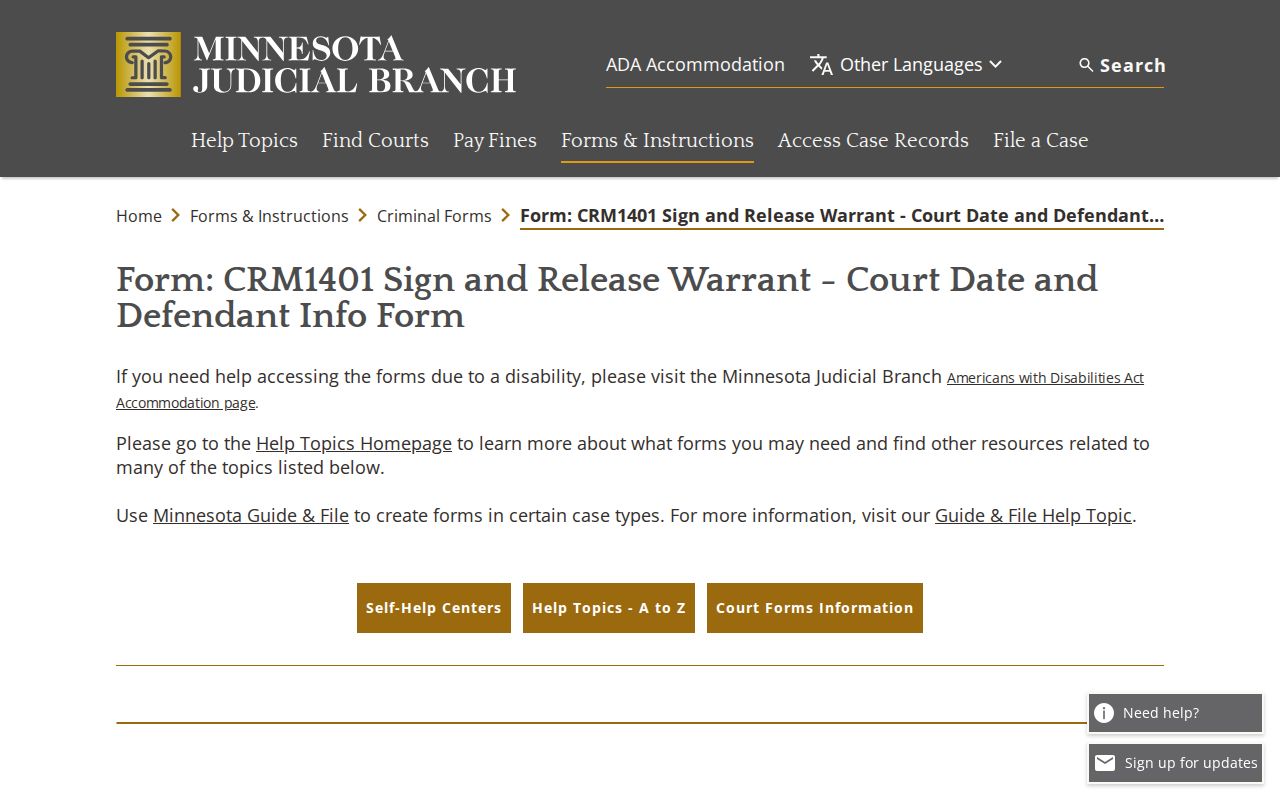
This form does not replace a Minnesota court order recalling a separate active warrant.
Minnesota Arrest Warrant Data Limits
Not every arrest-warrant detail is public before service. Minnesota Statutes section 13.82, subdivision 19 lets arrest-warrant data stay confidential until the person is in custody. The statute opens the data after custody, service, or a court appearance, subject to its public-purpose provisions. That classification covers law-enforcement data only. Court files follow separate Judicial Branch rules. This limit explains why a Minnesota arrest warrant may not appear in a public name search. Some case pages show only part of the file. Online views differ from authorized law-enforcement queries too. A request under the Minnesota Government Data Practices Act does not override a confidential classification. The BCA's public data request form is one route for requesting public agency data. It does not provide a personal warrant lookup. For your own case, the issuing court can point you to the correct record. The court can also explain what is open in Minnesota.
Arrest Warrant vs Summons vs Bench Warrant
These Minnesota court papers can surface in one criminal case, yet each does a different job. An arrest warrant follows a complaint and probable-cause review. A summons orders the defendant to appear. A bench warrant answers something in a pending case, often a missed appearance or a failure to comply. It is not a new charge. Even a city ordinance case belongs in Minnesota District Court. There is no separate municipal-court warrant tier. Anyone holding a summons should follow its date and instructions. Anyone who finds a warrant flag should confirm the case and ask the issuing county how to respond; the companion Minnesota bench-warrant information covers missed-court process in more detail.
| Feature | Arrest Warrant | Summons | Bench Warrant |
|---|---|---|---|
| What it orders | Arrest of the defendant | Appearance in court on a stated date | Court action in an existing case after a missed obligation |
| Basis | Complaint and probable cause | Complaint and court process | Failure to appear or comply, as the case and rule allow |
| Who issues it | District Court judge | Court process under Rule 3.01 | Judge in the pending District Court case |
| Next step | Confirm status and ask the issuing county about court-directed options | Appear as ordered | Ask Court Administration whether a judge, hearing, bond, or surrender step is required |
Note: a Minnesota bench warrant answers an event in a pending case. It is not interchangeable with a complaint-based arrest warrant or a summons.
Federal Warrants in Minnesota
Federal arrest process is separate from any Minnesota District Court case. The U.S. District Court for the District of Minnesota handles federal trial matters. The U.S. Marshals Service executes federal court process. It also joins partner agencies on fugitive work. The Marshals' District of Minnesota office page describes its district role and the North Star Fugitive Task Force. That task force is an interagency enforcement effort. It is not a public statewide warrant search. The federal court homepage identifies the court and its public case-access routes.
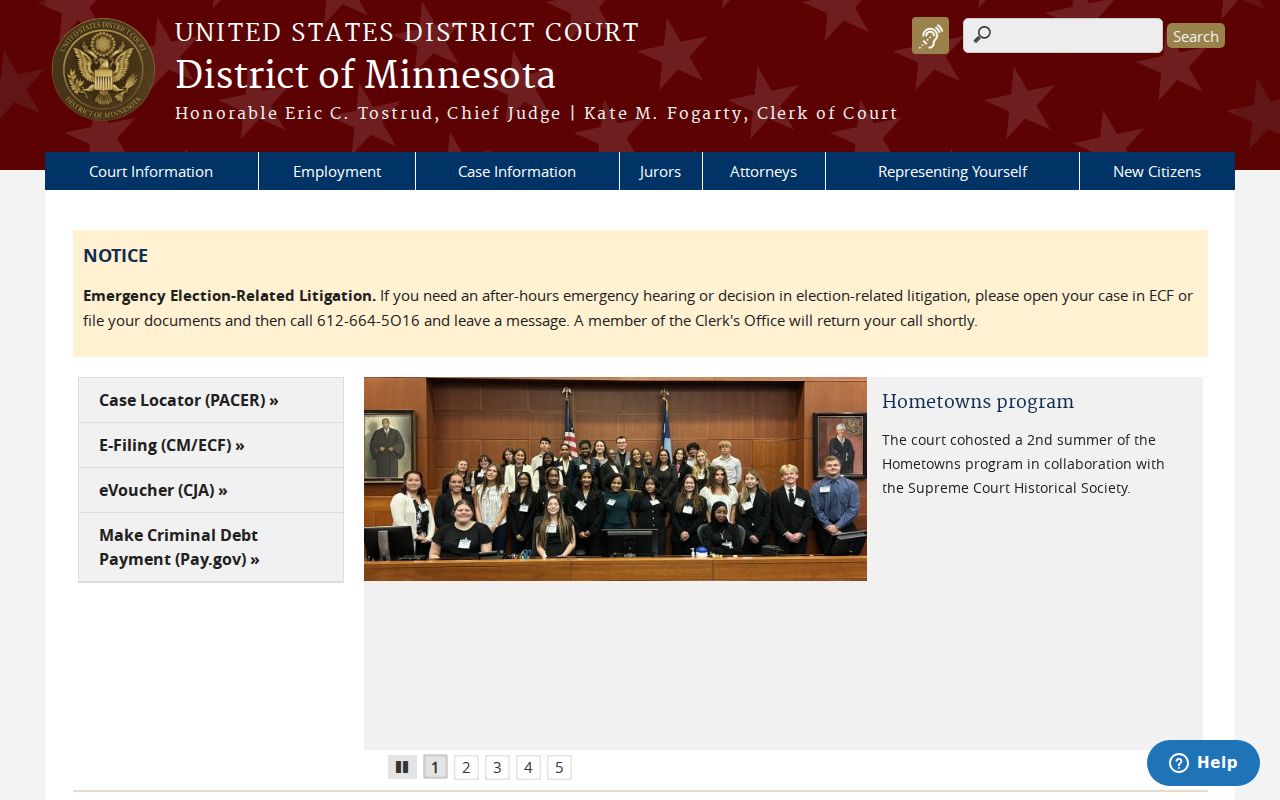
The federal court landing page serving Minnesota names the court and its public case-access routes. Need a federal docket? PACER's official landing page explains that separate system. PACER is not a complete warrant roster, and sealed matters may not be visible.
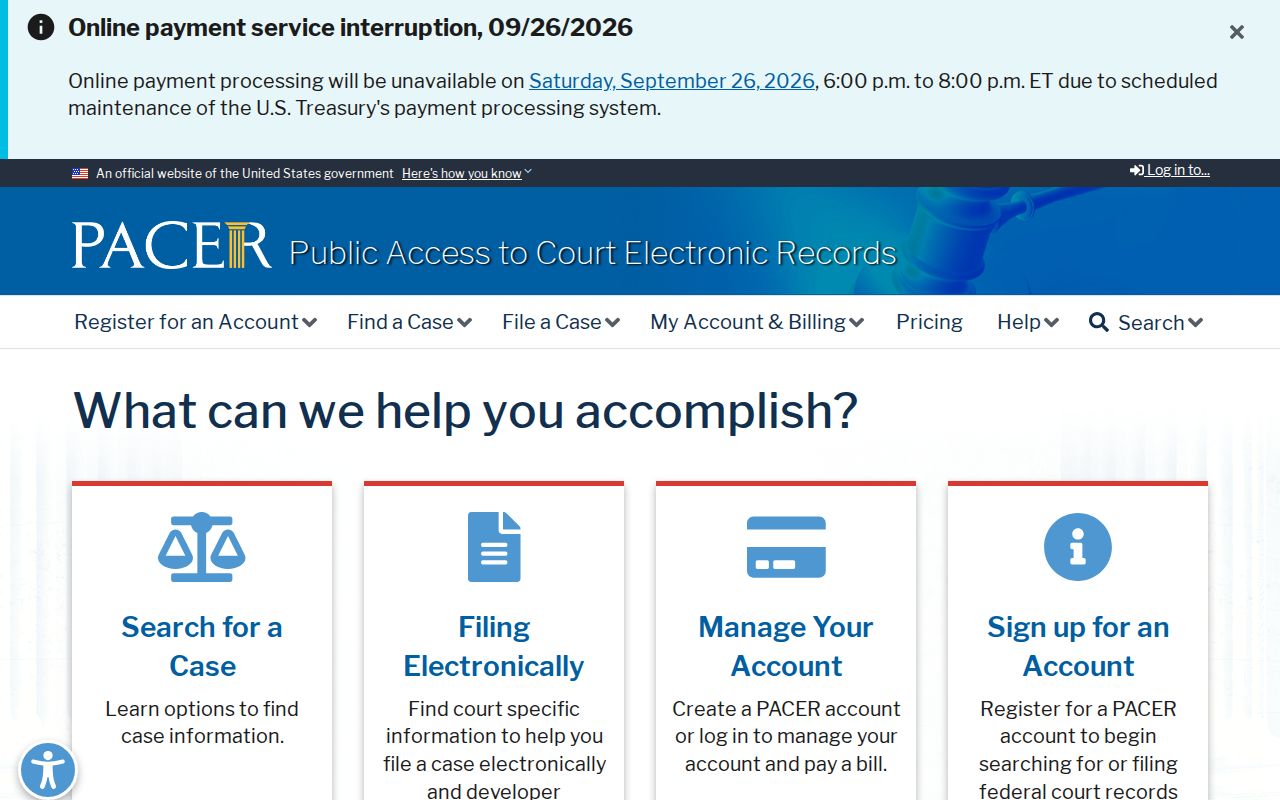
MCRO covers state courts only. A Minnesota MCRO search cannot replace federal docket research. Confirm federal matters with the federal court and the responsible agency. For a state warrant, contact the issuing county's Sheriff's Office and District Court.
What to Do If There Is a Warrant for You
A Minnesota arrest warrant tied to your case is a question you settle in the court file, not by guesswork. Pull up the case number or citation number first. Then call Court Administration in the county where the case was filed. Ask them point blank: is the warrant active, does a judge need to act before anything changes, can a hearing be scheduled, and what does the court want from you before you appear. Some Minnesota Sheriff's Offices run an online warrant search. Others answer only by phone, and a local list can be partial anyway. The Minnesota county directory points you to the right county's District Court and Sheriff's Office every time.
- Check the case-specific Warrants section in MCRO and note the case number and court location.
- Ask Court Administration to confirm status and explain whether a motion, hearing, or attorney appearance is needed.
- If surrender or booking is required, call the issuing Sheriff’s Office or jail first for intake location, hours, identification, and bond instructions.
- After a court appearance or bond, request the filed order or receipt and confirm that court and law-enforcement status were updated.
Urgent: A confirmed Minnesota arrest warrant can lead to custody; get case-specific instructions from the issuing court and Sheriff’s Office before acting.
Minnesota has no statewide recall form and no automatic pause once a warrant exists. A motion can still be filed. The judge decides. A date on the calendar alone does not inactivate the warrant. An attorney may ask the prosecutor and the court to calendar the matter, but only a judge can order recall or set release terms. Keep your case papers, hearing notices, and proof of any payment or appearance.
Minnesota Arrest Warrant Bond Terms
Minnesota sets no flat bond figure that covers every arrest warrant. The judge on the case picks the amount. Conditions of release come from the same order. Some defendants post cash, others use a surety agent, and a judge may grant release on personal recognizance instead. None of those options closes the file, and every court date still stands. Before paying anything, call the issuing court or the jail to learn which payment types they take and whether the order adds conditions beyond money. For surety, the Minnesota Judicial Branch runs a Bail Bond Program that approves agents, and each bondsman needs a Minnesota Department of Commerce license plus SCAO approval. That official program page spells out the approval process, though it is not a quote or a promise that surety works in any single case.
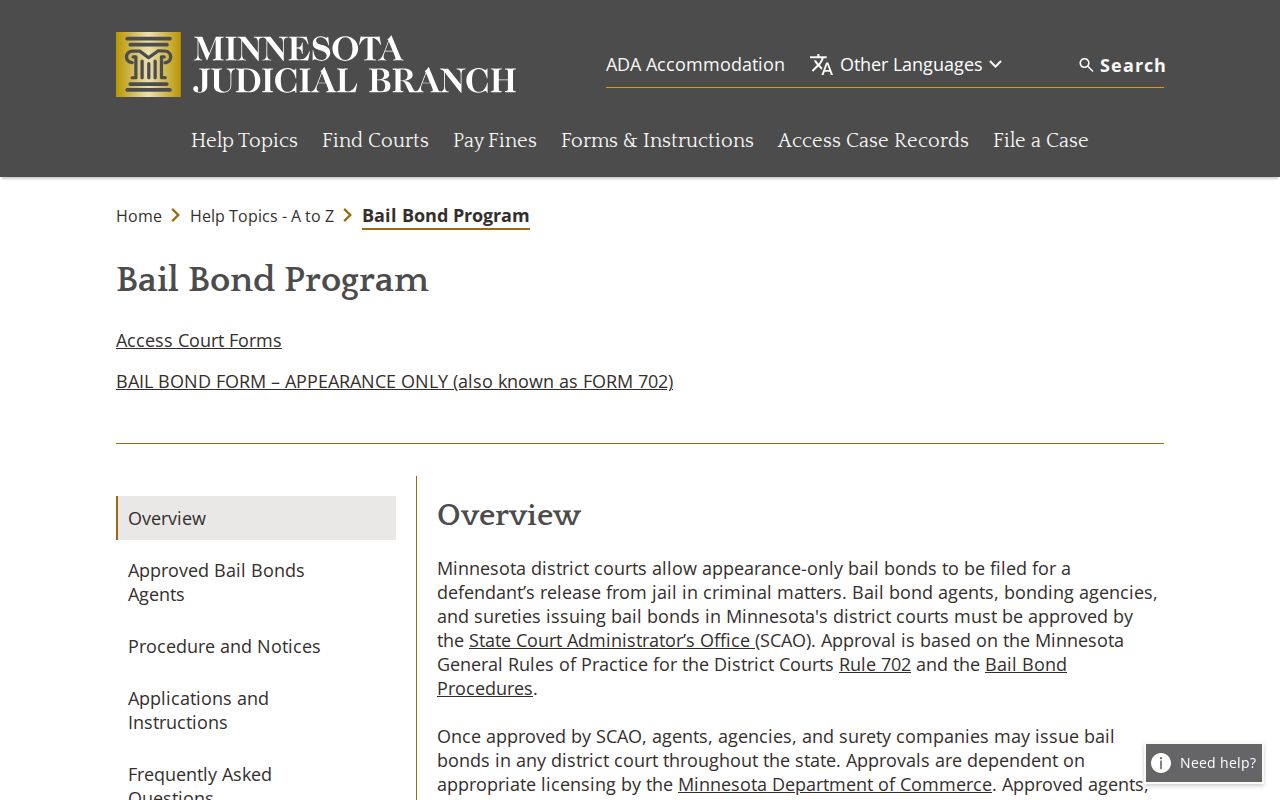
Approval is one thing, acceptance another. The program page does not say whether a specific Minnesota arrest warrant allows a surety bond, so confirm with the issuing court.
- Cash bond
- Money deposited under the court’s terms to secure appearance.
- Surety bond
- A guarantee provided through an approved surety and licensed, SCAO-approved agent.
- Personal recognizance
- A court-ordered promise to appear without a cash deposit.
- Recall
- A judge’s decision to withdraw or change a warrant; ask the issuing court for the order and updated status.